Substitution Ciphers

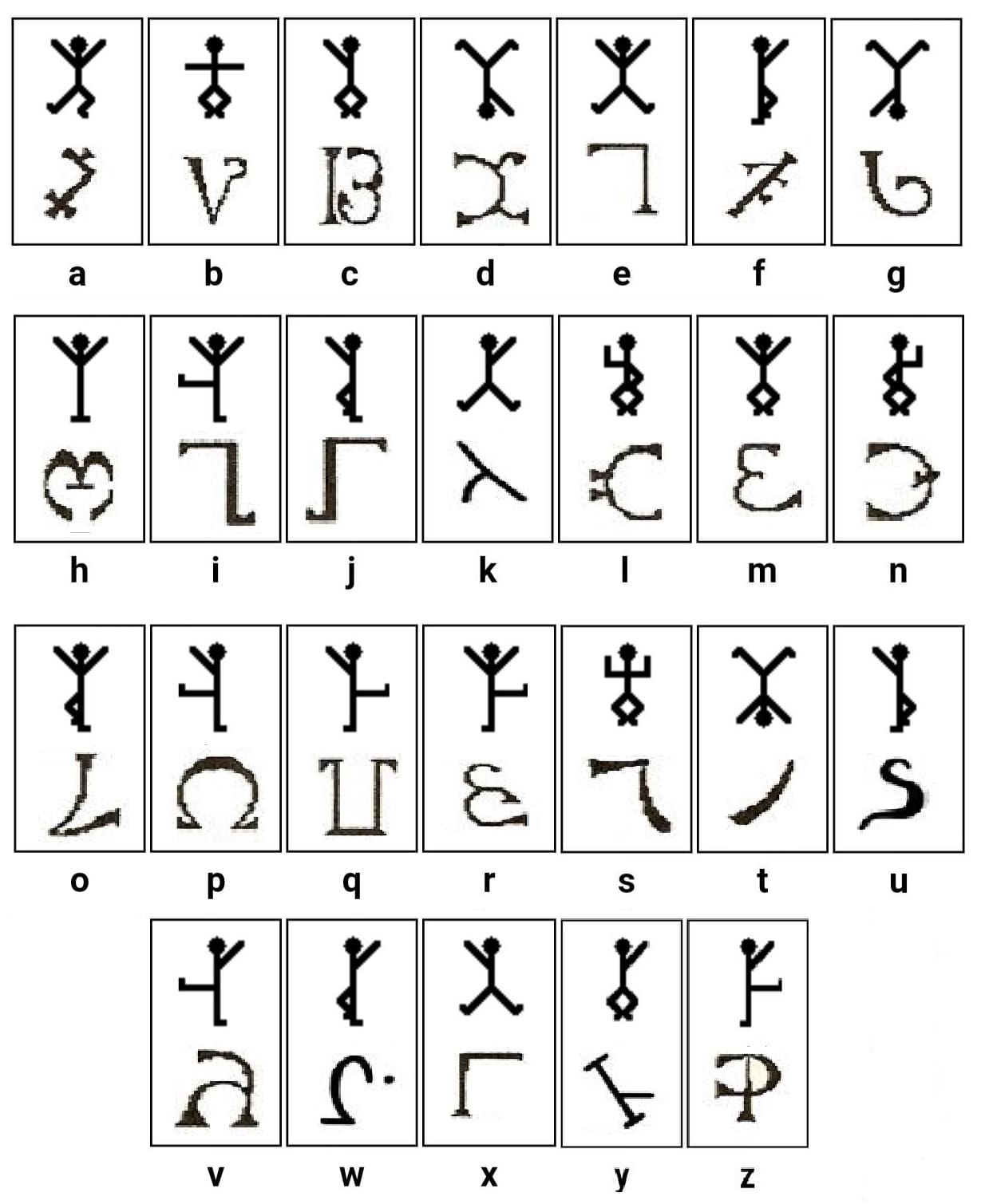
Hello friends, this edition we are swapping back to something simple – substitution ciphers. A while back we looked at Symbol Based Ciphers specifically, but this time we look further what we can do with a whole range of ciphers in this style. What Is A Substitution Cipher? This is anything that is a straight … Read more

Acrostics and Indexing

Hello escapers! This edition is going to focus on hiding messages in plain (and not so plain) sight! Basic, Easy, Tiny Acrostics Here is the most basic acrostic to hide a code in: That’s our acrostic, reading straight down, just the first letter of each word. You could also have a telestitch, which is the … Read more

Morse Code

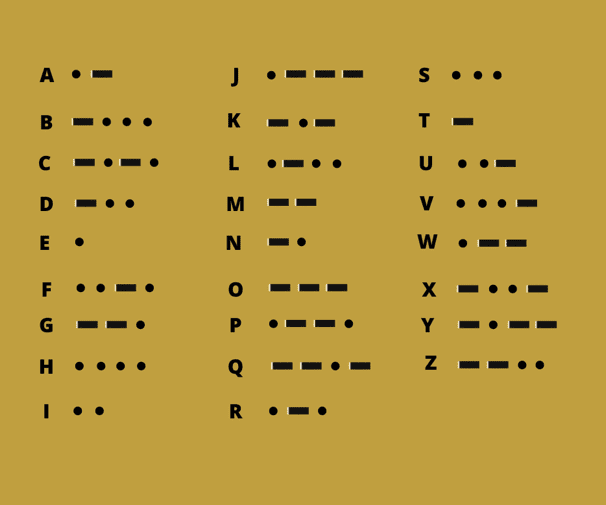
A true legend among codes, Morse may be both the most easily identifiable and easily disguisable codes around. This system of dots and dashes – or dits and dahs depending on your outlook – remains one of the most reliable and well-known systems of encoding information. Morse History Facts Morse code has played an incredible … Read more

Vigenère Cipher

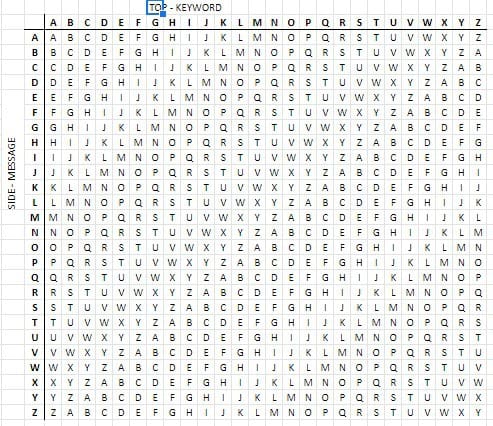
Let’s mix up the Code Column for this edition and go big. Look out mobile users! This is a step up from the more basic substitution ciphers we’ve looked at over the past year. Blaise de Vigenère developed this table (or square) using alternate alphabets to create coordinates for shifting letters into a code, one … Read more

Turning Grille 

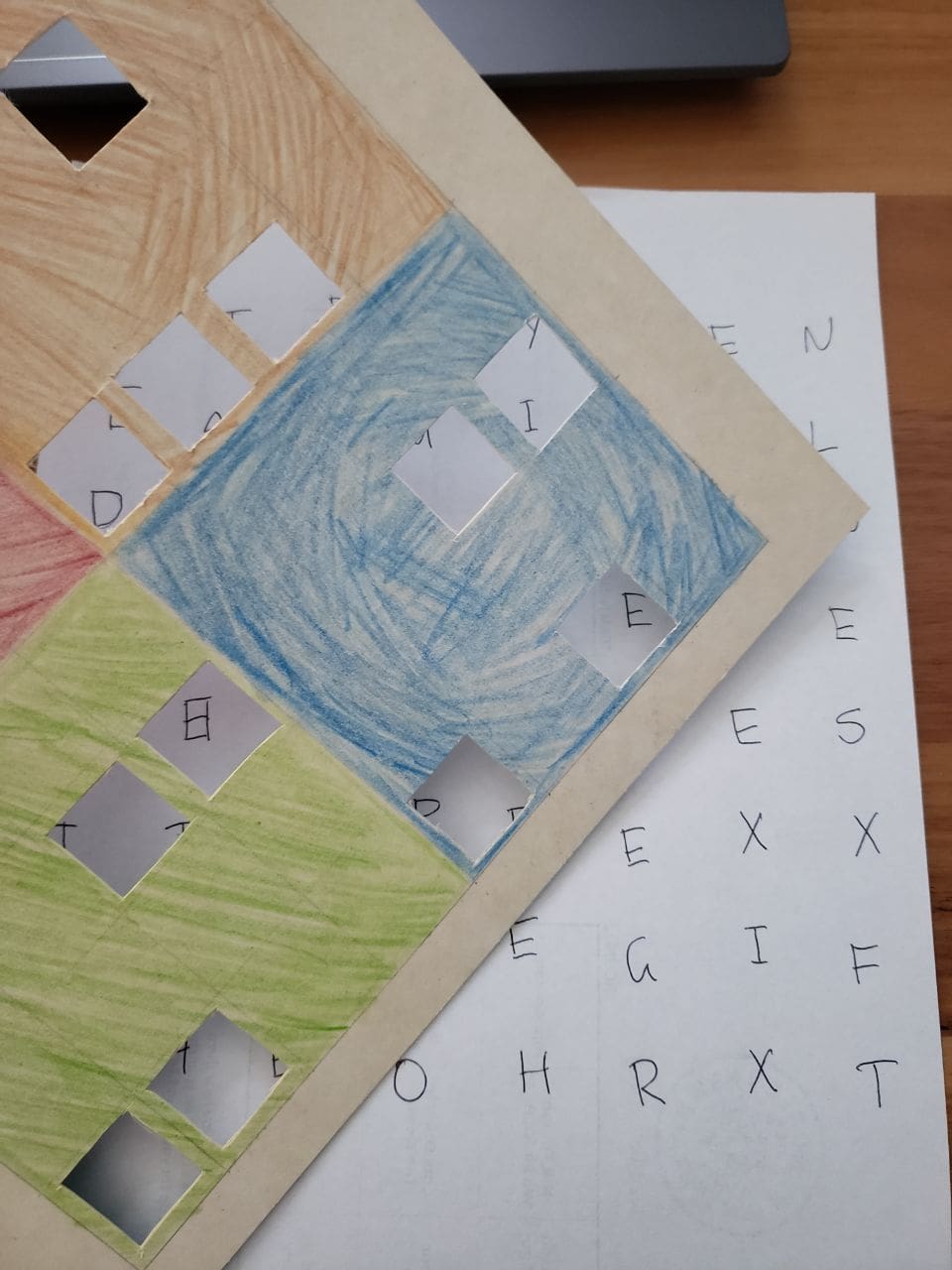
This edition we are looking at another type of grille, following on from our earlier article on the grilles developed by Richelieu and Cardano. Our variant this time was made by an Austrian cavalry officer back in 1880: Edouard Fleissner von Wostrowitz. Fortunately for us, this one has become known more simply as the ‘turning … Read more

Rail Cipher

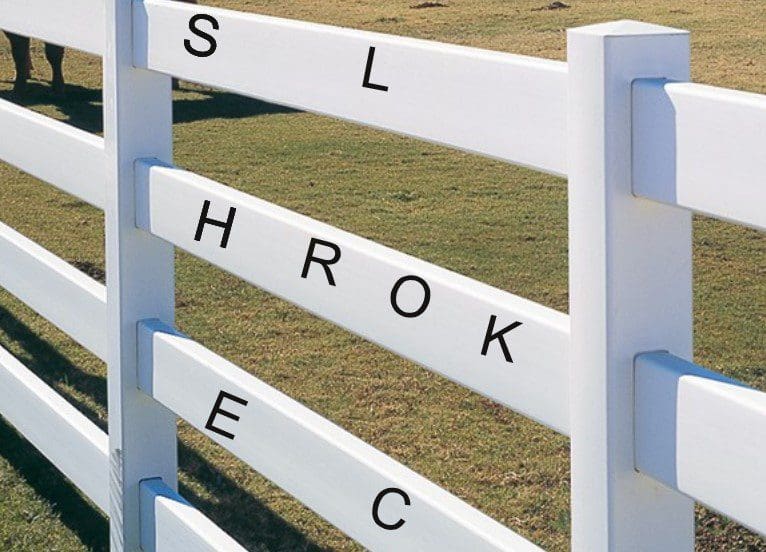
At first this might seem a simple cipher, but taramnntigsiteogetidohniltl (14/13). Our rail fence system is one of the earliest methods of transposition, based on placing letters in a series of levels, or, imagining that they have been written up and down the rails on a fence. Let’s have a look at a few quotes … Read more

Polybius Square

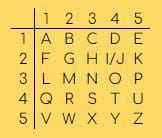
Who’s This Square? Old mate Polybius was a Greek born about 200BC, but the method he made famous has influenced more sophisticated systems to this day. Originally, old mate Polybius had intended this code to be used in conveying messages long distance by moving a flaming torch up and down in sequence, with the message … Read more

Bacon Code

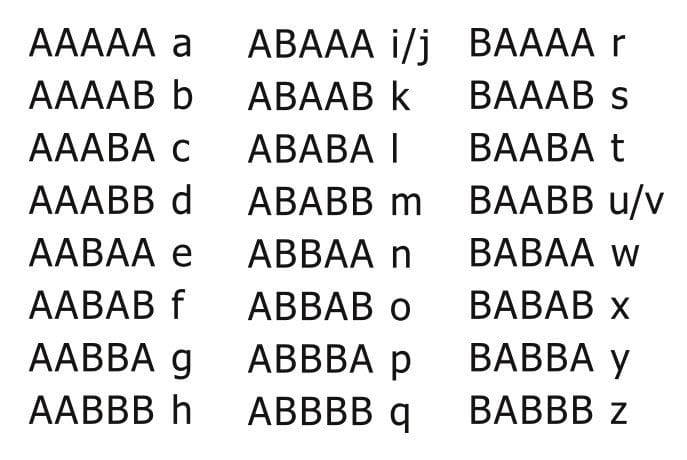
Our next project is the Bacon Code. It’s an older code, but it definitely still checks out. This episode’s man with the plan is philosopher, statesman and “father of empiricism”, Sir Francis Bacon. While most of our ciphers and codes (Morse, Pigpen, etc) are fairly secure, they are pretty obvious as being secret messages. Steganography … Read more

Terpeca

Wanted: Experienced enthusiasts to vote on their favourite escape roomsLee-Fay Low, Top Escape Rooms Project Ambassador for Australia With Australia’s borders open, many of us are taking interstate and international trips again. My go-to resource when planning travel is the Top Escape Rooms Project (TERPECA) website. TERPECAs is a list of enthusiast-nominated and voted best … Read more

Mary Queen of Scots Cipher

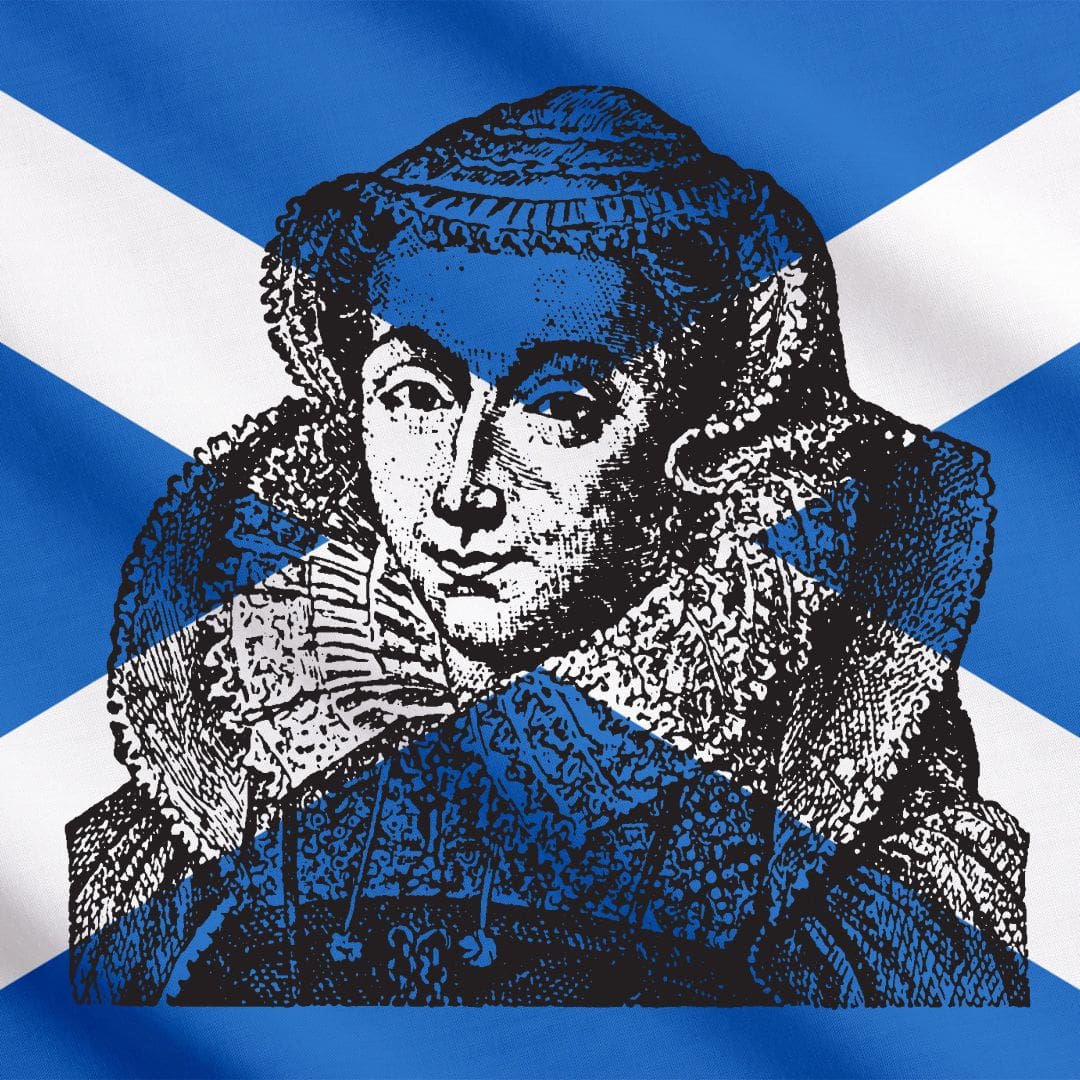
Mary Queen Of Scots

We’re back to a substitution cipher in this edition, but one with a special twist. All my 1990s Microsoft Word users might see echoes of the Wingdings font (which isn’t a bad place to start if you want inspiration for your own symbol creation), but this one goes back a lot further than that. The … Read more